Mantis
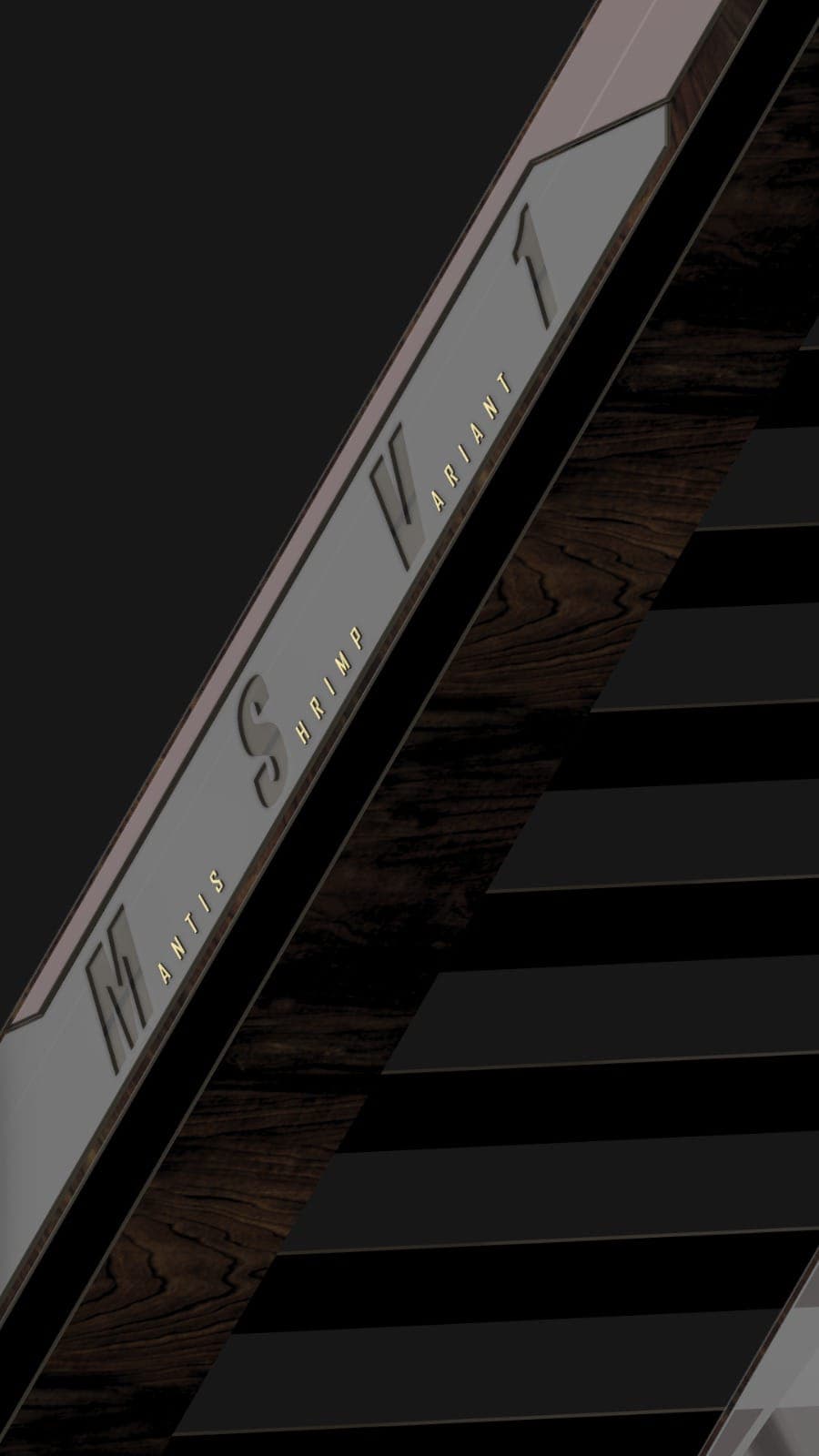
Shrimp Variant 1 (MSV1).
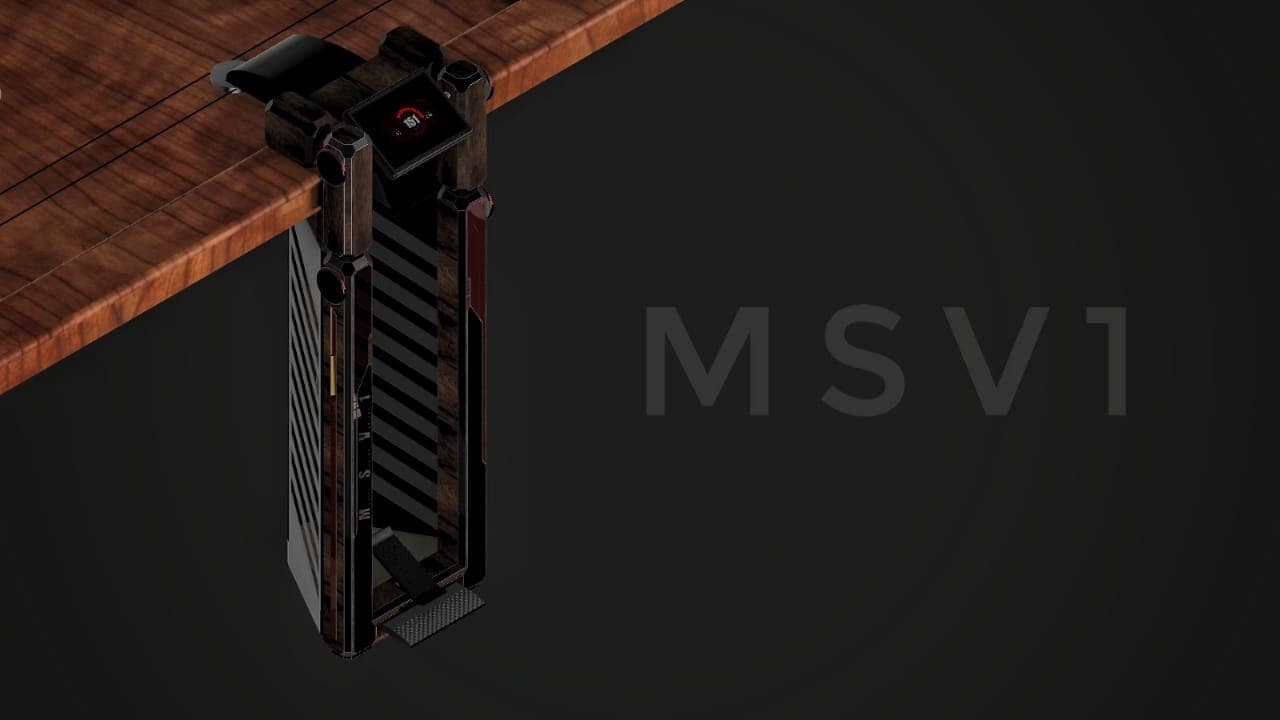
Technical Specs
- Power Input: 12V DC / Solenoid Firing
- Control Unit: Arduino UNO R3
- Aiming Gear: Self-Locking Worm Gear
- Sensor Layer: Interlink Force Sensitive Resistors (FSR)
- Switching: FQP30N06L N-Channel MOSFETs
Category
Mechatronics // Healthcare Tech // Assistive Robotics // Hardware IntegrationTech Stack
Gallery
.jpg&w=3840&q=75)
Project Narrative
As of 2026, the industry has mastered digital accessibility, but physical tabletop recreation remains exclusionary. Existing physical assistive devices are either crude, unpredictable spring-loaded plastics, or unaffordable $30,000 robotic arms. MSV1 shatters this binary. It is the first frugal electromechanical actuator to achieve clinical-grade precision. By translating lower-limb pressure into high-velocity, precision strikes, it enables inclusive Carrom gameplay for upper-limb amputees while serving as a covert physiotherapy tool.
The Force-to-Voltage Architecture
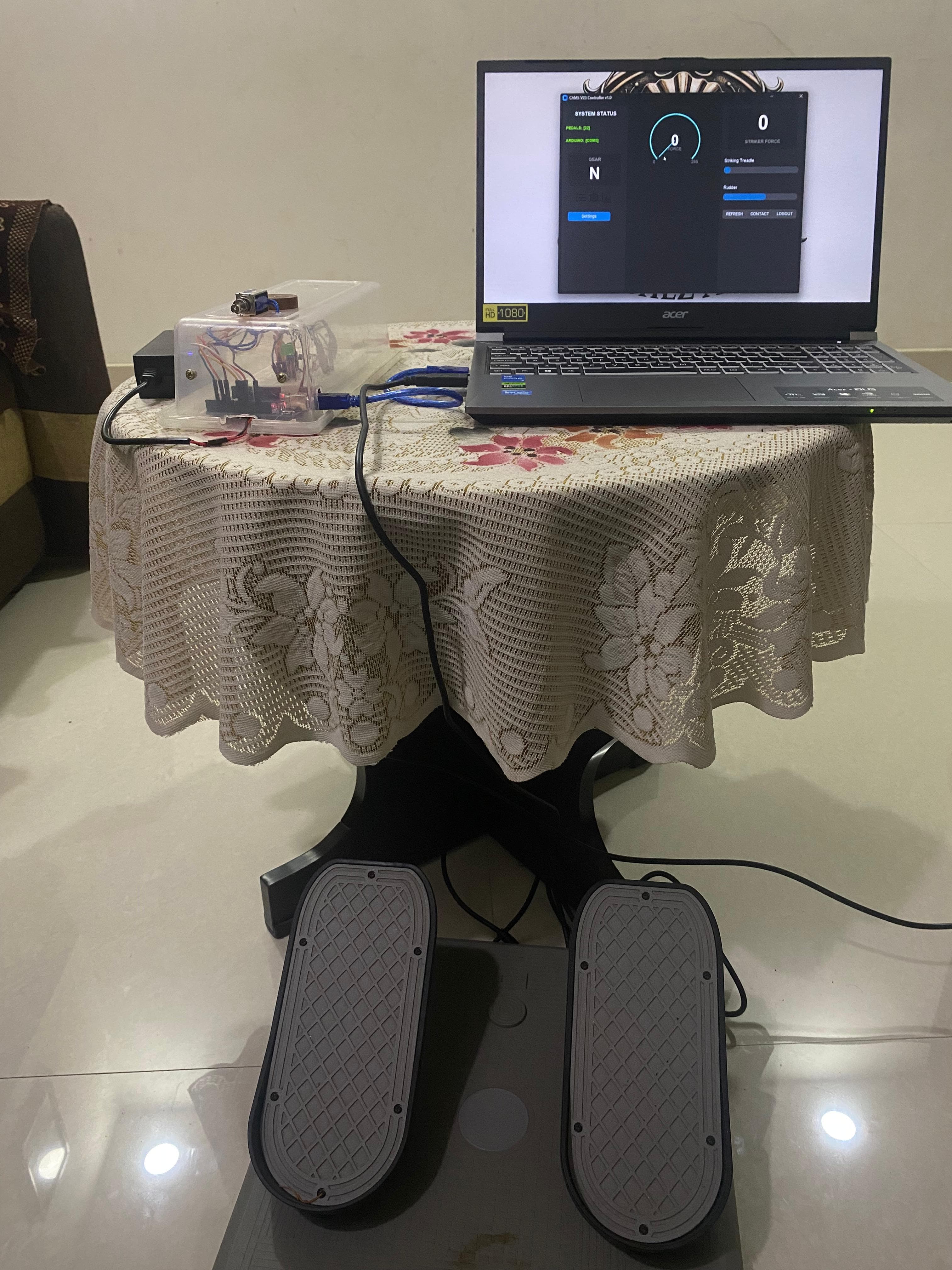
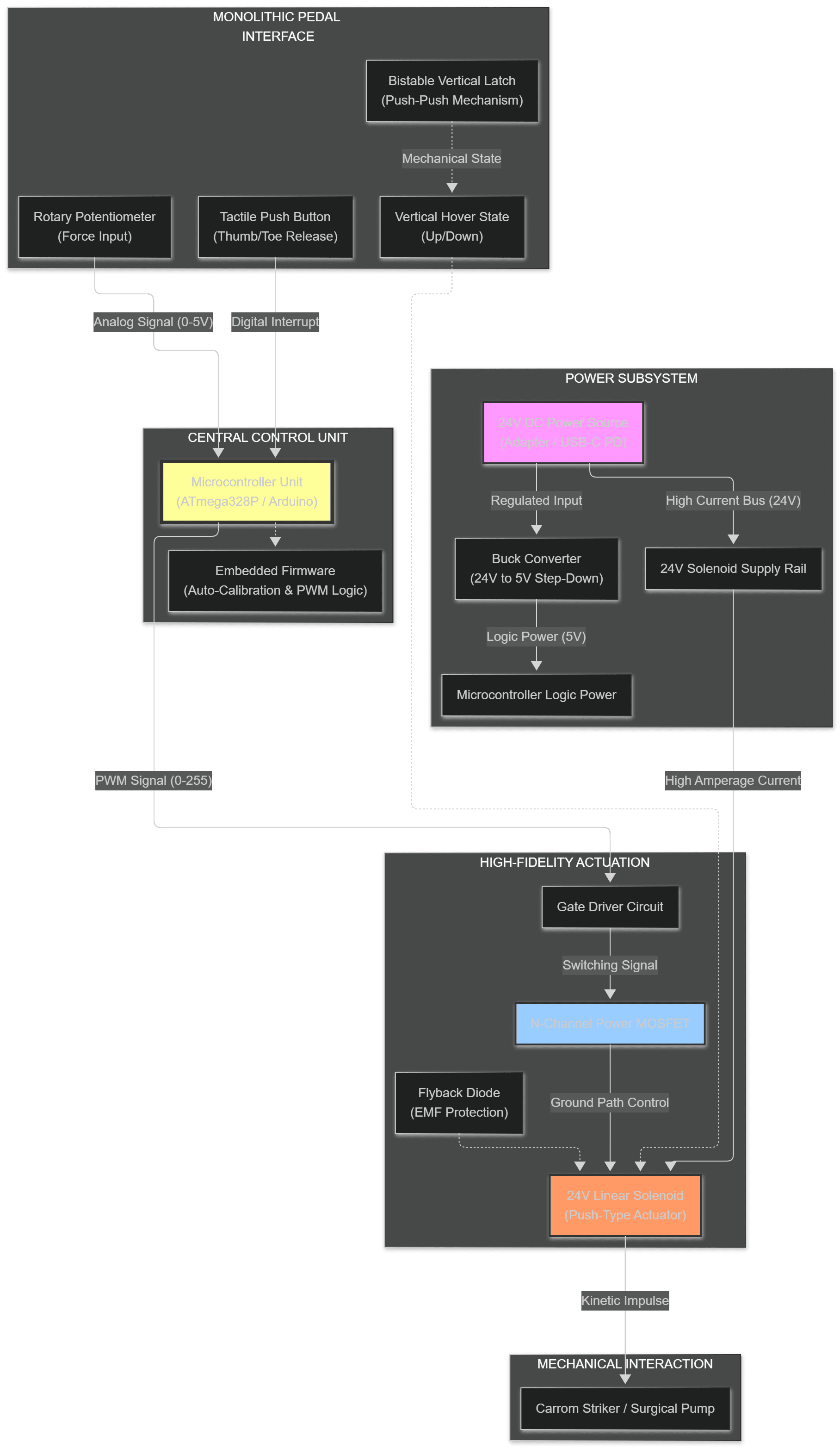
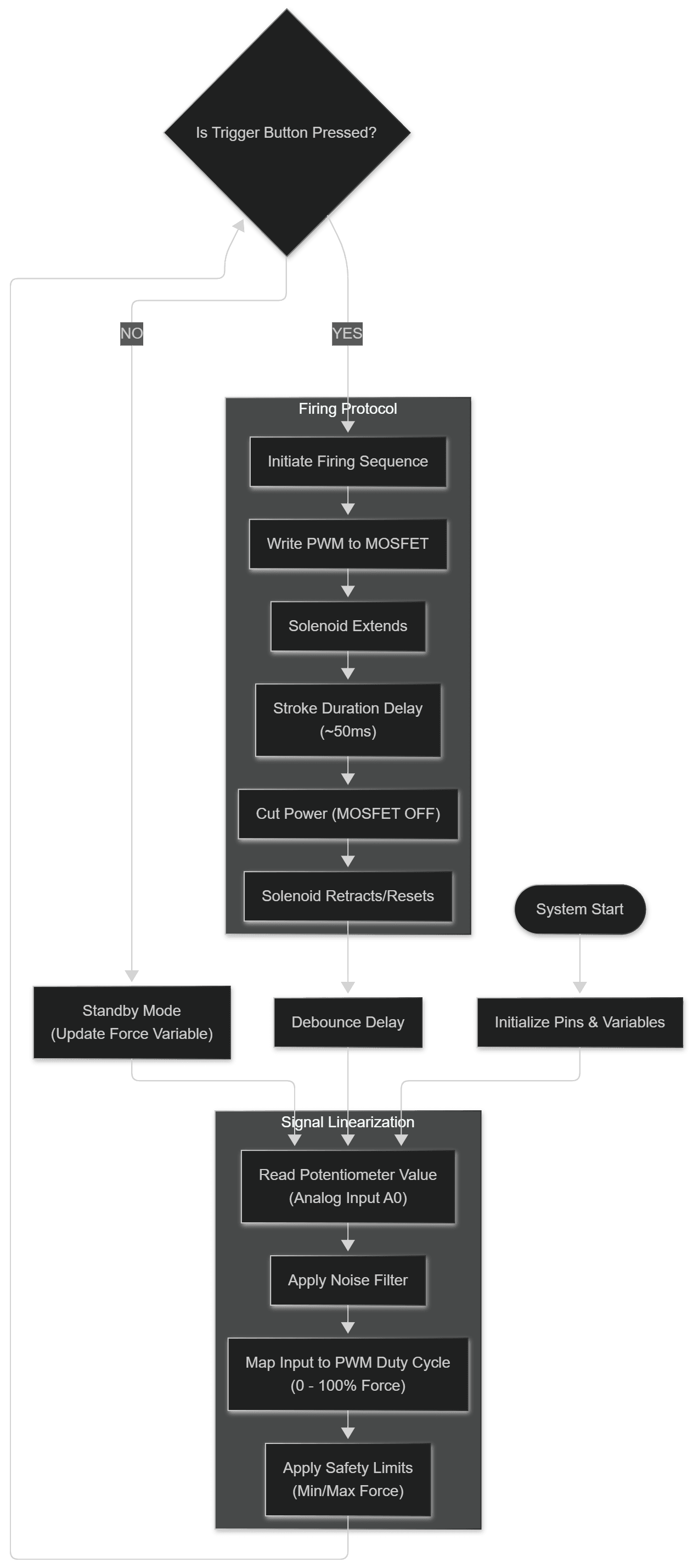
My process was defined by brutal iteration and a drive for frugal engineering. I designed MSV1 inspired by the Mantis Shrimp's latch-mediated energy storage, decoupling force-loading from firing. Users interact with a single monolithic pedal. Crucially, I utilized a rotary potentiometer to deliver linear, highly accurate analog data. This maps the user's foot pressure to a Pulse Width Modulated (PWM) signal, dynamically driving a 12V DC solenoid to deliver anything from a soft nudge to a high-velocity break shot.
Mechanical Innovations
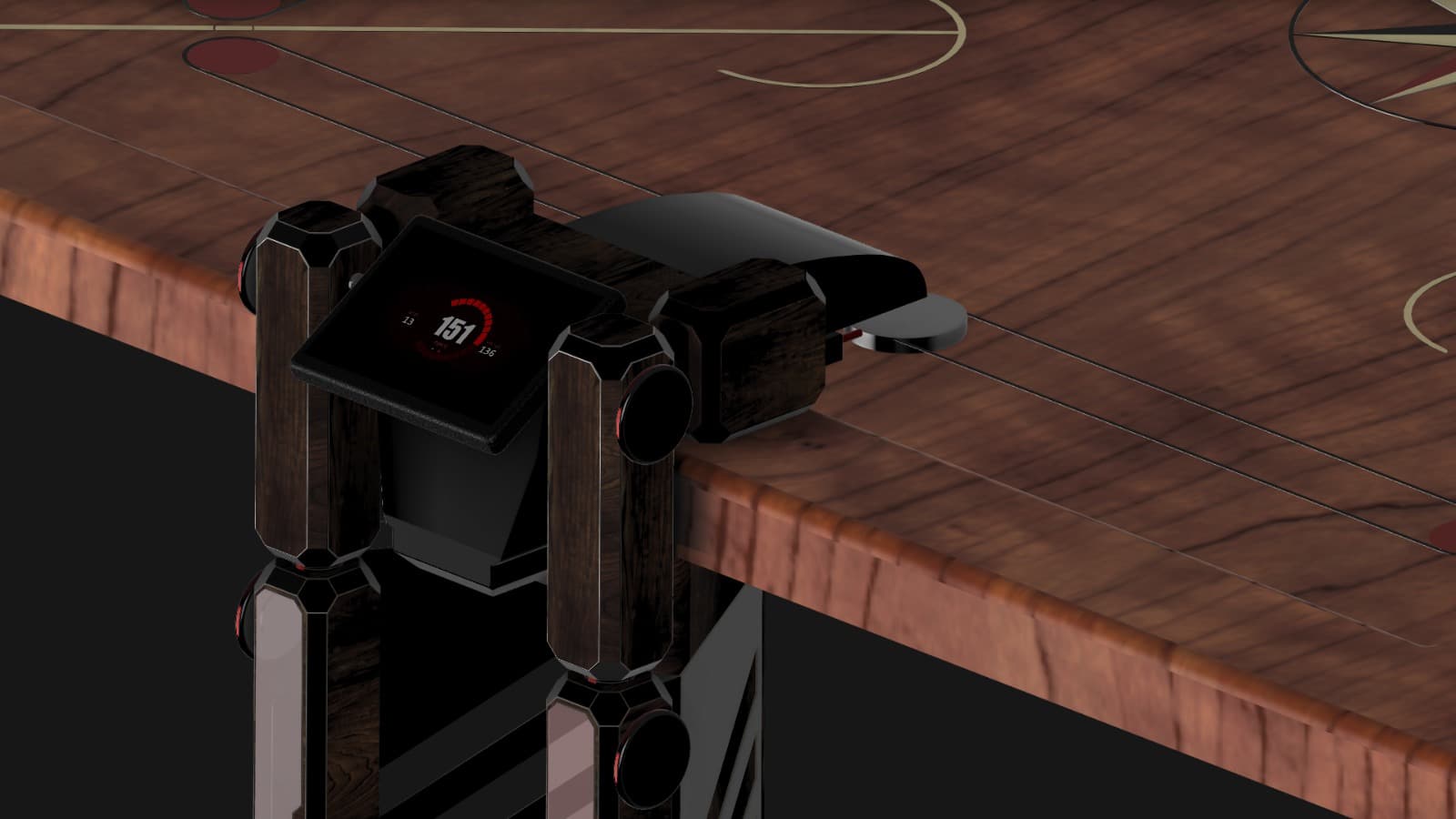
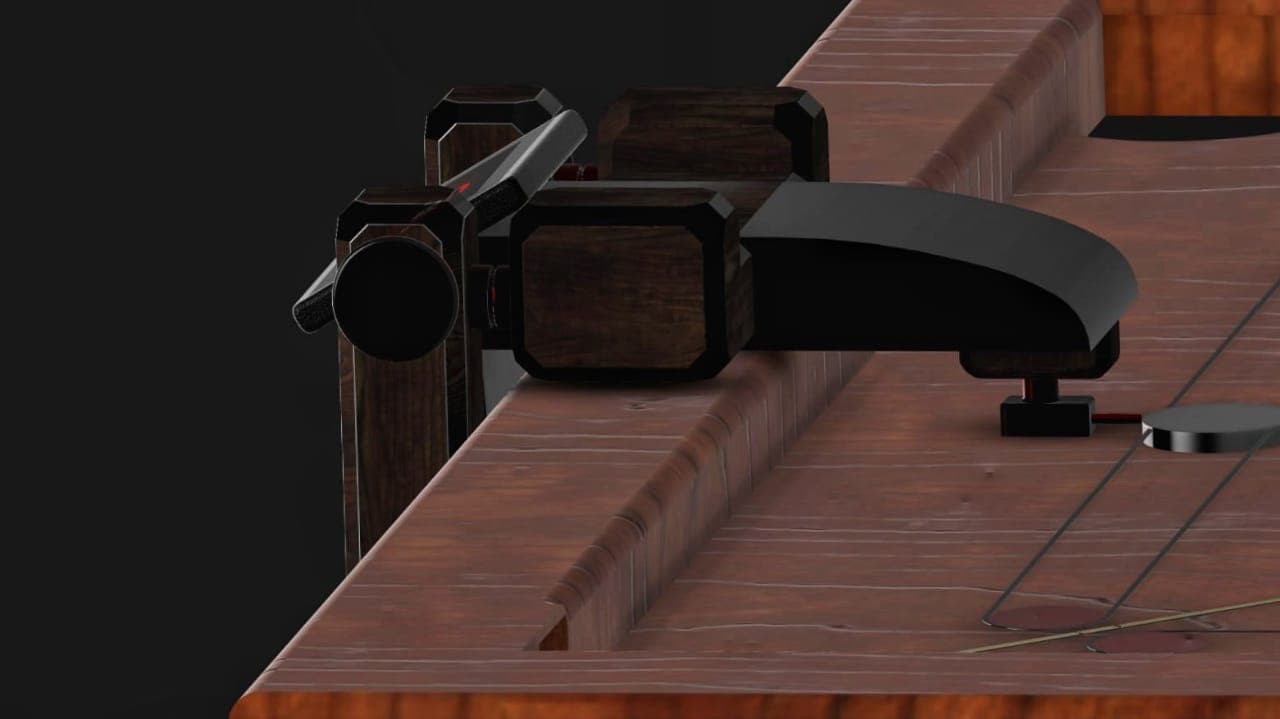
To ensure absolute aiming precision, the actuator rotation is controlled by a self-locking worm gear, eliminating aim-drift without the need for electronic brakes. Additionally, the system features a 'Bistable Vertical Suspension System' utilizing a push-push latch. The solenoid rests in a raised 'Hover State' to prevent surface dragging and retracts safely post-impact to avoid recoil damage.
Clinical & Medical Applications
MSV1 acts as a covert physiotherapy tool. For stroke survivors, modulating exact foot pressure provides real-time proprioceptive feedback, retraining lower-limb fine motor control and neuroplasticity through joyful, competitive gameplay. Furthermore, the core 'Force-to-Voltage' analog architecture is scalable for use in operating rooms as a hands-free Neurosurgical Suction Control system.
Future Roadmap
MSV1 will scale from a $60 prototype to a $25 mass-manufactured unit via a B2B2C clinic distribution model. Technologically, the Custom UI evolves into an AI assistant. Using computer vision, it will analyze carrom board states and input force to provide real-time stroke training. Long-term deployment targets include Stroke Rehabilitation, Geriatric Care, Para-Sports, and Neurosurgical Suction Control.